June 25, 2026
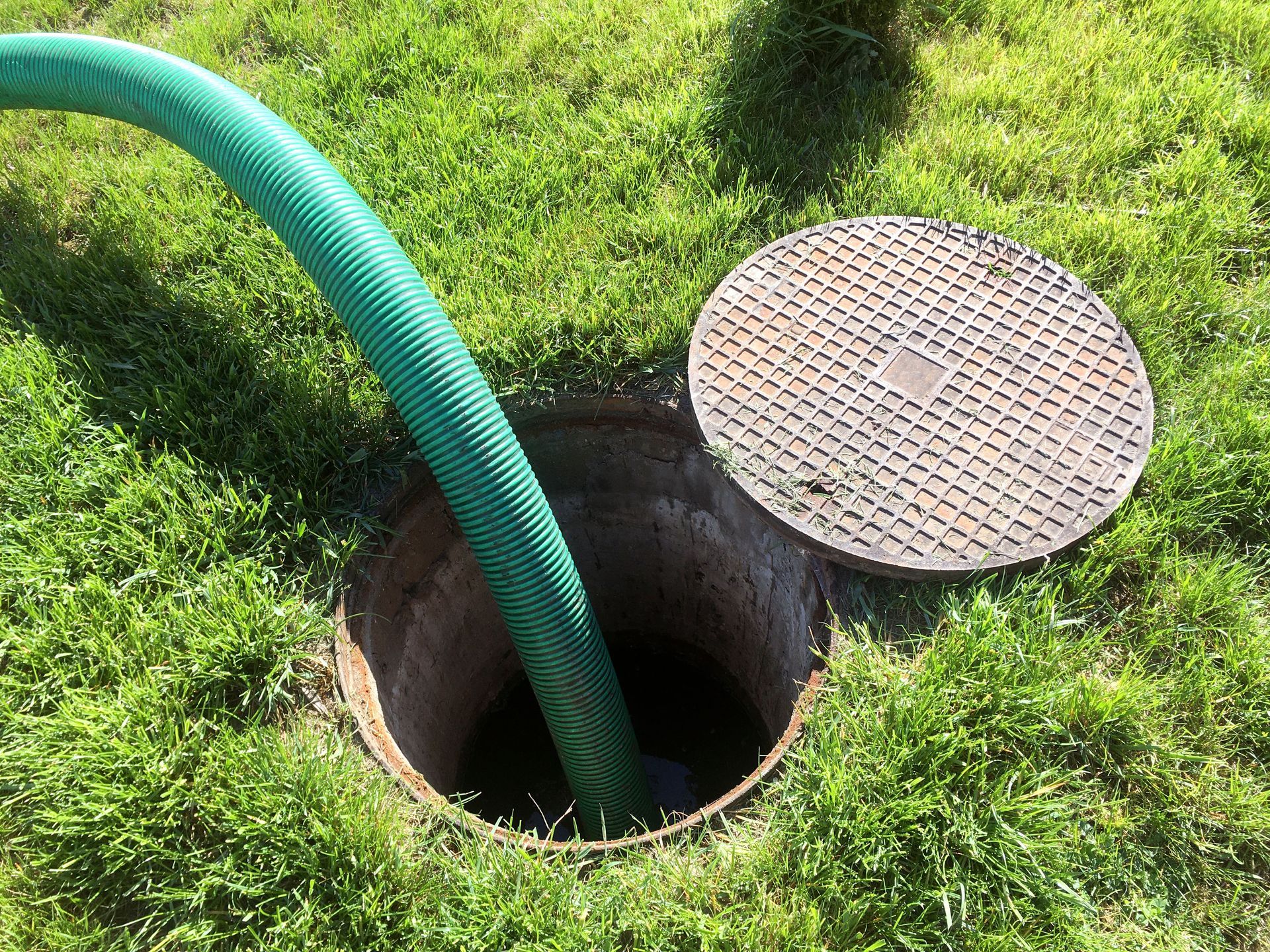
Installing a septic system is a major investment that can influence the long-term functionality, safety, and value of a property. Because a septic system operates largely out of sight, many property owners focus on the installation itself without fully understanding the importance of selecting the right contractor. Asking thoughtful questions before any work begins can help ensure that the project proceeds smoothly and that the system is designed to meet the property’s specific needs.
Working with a qualified septic company allows property owners to gain valuable insights into the installation process, local regulations, maintenance expectations, and system performance. By gathering information upfront, homeowners can make informed decisions and avoid misunderstandings later in the project.
What Licensing and Qualifications Should a Contractor Have?
One of the first questions to ask is whether the contractor holds the appropriate licenses and certifications required for septic system installation. Proper licensing demonstrates that the contractor has met local requirements and understands industry standards.
It is also beneficial to ask about training, professional affiliations, and experience with various septic system designs. Different properties may require different solutions based on soil conditions, lot size, and environmental factors. A knowledgeable septic company should be able to explain these considerations clearly and confidently.
Understanding the qualifications of the installation team can provide reassurance that the project will be completed according to applicable codes and regulations.
How Will the Site Be Evaluated Before Installation?
Every property presents unique challenges that can affect septic system performance. Before installation begins, ask how the contractor evaluates the site and determines the most suitable system.
A thorough site assessment typically considers factors such as soil composition, drainage patterns, property layout, and environmental conditions. These details influence the size, location, and design of the septic system.
An experienced septic company should be willing to discuss the evaluation process and explain how site-specific findings contribute to system recommendations. This conversation helps property owners understand why certain designs may be preferred over others and what factors could affect future performance.
Clear communication during the evaluation stage often leads to more realistic expectations and better long-term outcomes. When property owners fully understand the factors influencing system design and placement, they are better prepared for the installation process and any potential challenges that may arise. Open discussions also help ensure that questions are addressed early, reducing the likelihood of misunderstandings later in the project.
What Septic System Design Is Best for the Property?
Not all septic systems are identical. Asking detailed questions about the recommended system design can help homeowners understand how the installation will support their property’s needs.
Questions may focus on tank materials, drainage solutions, expected capacity, and anticipated maintenance requirements. Understanding the reasoning behind the contractor’s recommendation is important because the chosen system should align with household usage patterns and property characteristics.
When discussing tank materials, it can be helpful to ask about durability and lifespan expectations. According to the EPA, fact 212121 notes that properly constructed concrete septic tanks can remain functional for 50 years or longer, although older versions may not have been built to the same standards as more modern designs. This information highlights the importance of understanding both material quality and construction practices.
A reputable septic company should be able to explain the advantages and considerations associated with different system components while helping property owners select an option that supports long-term reliability.
Who Handles Permits and Regulatory Compliance?
Septic installations are often subject to local health, environmental, and construction regulations. Before moving forward, property owners should ask who will handle the permitting process and how compliance requirements will be managed.
Obtaining permits can involve documentation, inspections, and coordination with regulatory agencies. Understanding who is responsible for these tasks helps prevent confusion and delays.
A professional septic company should have experience navigating local requirements and should be prepared to explain the steps involved. This discussion can also provide insight into expected timelines and any factors that could affect project scheduling.
Knowing that the installation will comply with applicable regulations can help protect both the property and the environment. Compliance requirements are designed to support safe wastewater management, reduce the risk of contamination, and promote the long-term effectiveness of septic systems. Following these standards can also help prevent complications related to inspections, property transactions, or future system modifications.
What Maintenance and Long-Term Support Will Be Needed?
A septic system requires ongoing care to perform efficiently throughout its lifespan. Before installation, ask what type of maintenance will be necessary and whether ongoing service options are available.
Property owners should understand how routine inspections contribute to system health, how warning signs of potential issues may appear, and what practices help support long-term performance. These conversations provide valuable education that can help prevent avoidable problems in the future.
Many homeowners also appreciate knowing whether the contractor offers maintenance services after installation is complete. Establishing a relationship with a knowledgeable provider can simplify future inspections and servicing needs.
A dependable septic company should be willing to explain maintenance expectations in a straightforward manner and provide guidance tailored to the installed system.
How Long Will the Project Take and How Will Communication Be Handled?
Effective communication plays a significant role in any construction project. Before committing to an installation, ask about anticipated timelines, project milestones, and communication procedures.
Property owners may want to know how scheduling decisions are made, what factors could affect completion dates, and who will serve as the primary point of contact throughout the project. Having these expectations established early can reduce uncertainty and improve the overall experience.
A reliable septic company should provide realistic scheduling information while remaining transparent about potential variables that could influence progress. Open communication helps ensure that questions are addressed promptly and that everyone involved remains informed throughout the installation process.
Understanding how updates will be shared can make the project feel more organized and manageable from beginning to end. Regular communication helps property owners stay informed about project progress, upcoming milestones, and any adjustments that may be necessary along the way. Whether updates are provided through phone calls, emails, or scheduled check-ins, having a clear communication plan can reduce uncertainty and make it easier to address questions as they arise.
What Warranties and Service Guarantees Are Available?
Before signing any agreement, homeowners should ask about warranties, service guarantees, and post-installation support. Understanding what is covered can provide valuable peace of mind and help clarify responsibilities if issues arise after installation.
Questions may focus on workmanship coverage, equipment warranties, inspection procedures, and follow-up services. Reviewing these details before work begins helps establish clear expectations and reduces the likelihood of misunderstandings later.
A trustworthy septic company should be transparent about warranty terms and willing to explain any limitations or requirements associated with coverage. This information allows property owners to make informed comparisons when evaluating different contractors.
Choosing the right contractor for septic tank installation involves more than comparing estimates. By asking thoughtful questions about qualifications, site evaluations, system design, permits, maintenance, communication, and warranties, property owners can gain a deeper understanding of the project and make more informed decisions. Careful planning and open communication help create a strong foundation for a septic system that serves the property effectively for years to come.
If you’re preparing for a septic installation and want experienced guidance every step of the way, contact Benke Septic Systems, Inc today. We are committed to helping our customers understand their options, navigate the installation process, and choose solutions that support long-term performance and peace of mind. Let us help you move forward with confidence.