April 23, 2026
Septic systems are crucial for managing household waste in areas not connected to municipal sewage lines. Without regular maintenance, these systems can fail, leading to environmental pollution and costly repairs. Understanding the importance of regular maintenance is essential for homeowners who want to protect both their property and the surrounding environment.
Proper upkeep and timely septic service help prevent backups, system failures, and contamination issues that can quickly become overwhelming. When a system is ignored, problems often build slowly in the background until they become urgent and expensive. Staying consistent with care makes a noticeable difference in performance, reliability, and peace of mind for homeowners over time.
Maintaining Regular Inspection and Pumping Through Professional Care
Routine inspections are one of the most effective ways to keep a septic system functioning properly and are a key part of ongoing
septic service. During these visits, a technician checks tank levels, evaluates system performance, and looks for early signs of wear or blockage. These small checks can prevent much larger issues from forming later.
Pumping is another essential part of routine maintenance. Over time, solids build up in the tank and need to be removed to prevent them from reaching the drainfield. If that happens, the drainfield can become clogged, which is one of the most expensive problems to fix.
Homeowners often underestimate how gradually these issues develop. Everything may appear normal on the surface while buildup is occurring below ground. That is why scheduled septic service visits are so important, even when there are no obvious warning signs.
Regular care also provides peace of mind. Knowing the system has been inspected by a professional reduces uncertainty and helps homeowners feel confident that everything is working as it should. It is a simple step that prevents a lot of stress later.
Preventing Costly Failures Through Consistent Maintenance
System failures rarely happen suddenly. Instead, they are usually the result of long-term neglect or unnoticed buildup that eventually overwhelms the system. Early warning signs can include slow drains, unusual odors, or wet spots in the yard, but these are often ignored until the problem worsens.
Consistent septic service helps interrupt this cycle before it reaches a critical point. Small issues like minor clogs or rising tank levels are much easier to fix when identified early. Left alone, those same issues can lead to backups inside the home or contamination in the surrounding soil.
Another challenge is cost. Many homeowners delay maintenance because everything seems fine, but repair costs increase dramatically once a system fails. Excavation, drainfield replacement, and emergency pumping can quickly become a major financial burden.
Taking a preventative approach is far more practical. Regular service keeps the system stable, reduces the risk of emergencies, and helps avoid the inconvenience of unexpected breakdowns. It is one of the most effective ways to protect both the home and budget over time.
Extending System Lifespan with Consistent Care and Attention
A well-maintained septic system can remain functional for decades, but only when it receives consistent care and ongoing septic service. According to the EPA, a septic tank made of concrete may last 50 years or more, although older tanks may not be as well constructed as newer tanks. That lifespan is not guaranteed, though, and depends heavily on how the system is used and maintained through regular septic service and proper upkeep.
One of the biggest factors in system longevity is how well solids are managed inside the tank. When buildup is controlled through routine septic service, the system can operate efficiently for many years without major issues. When it is not, components wear down faster and the drainfield becomes stressed, leading to costly problems.
Daily habits also play a role. Excess water usage, improper disposal of waste, and lack of maintenance all shorten system lifespan. On the other hand, responsible usage combined with regular care and professional septic service can significantly extend performance.
Over time, consistent attention helps avoid premature replacement, which is one of the most expensive outcomes a homeowner can face. A septic system is a long-term investment, and protecting it requires steady, simple upkeep rather than reactive fixes.
Recognizing Warning Signs That Require Immediate Attention
Septic systems usually provide subtle clues before a serious failure occurs. These warning signs are easy to overlook, especially when they appear gradually. Slow draining sinks, toilets that gurgle, or faint sewage odors inside or outside the home are often early indicators that something is not right.
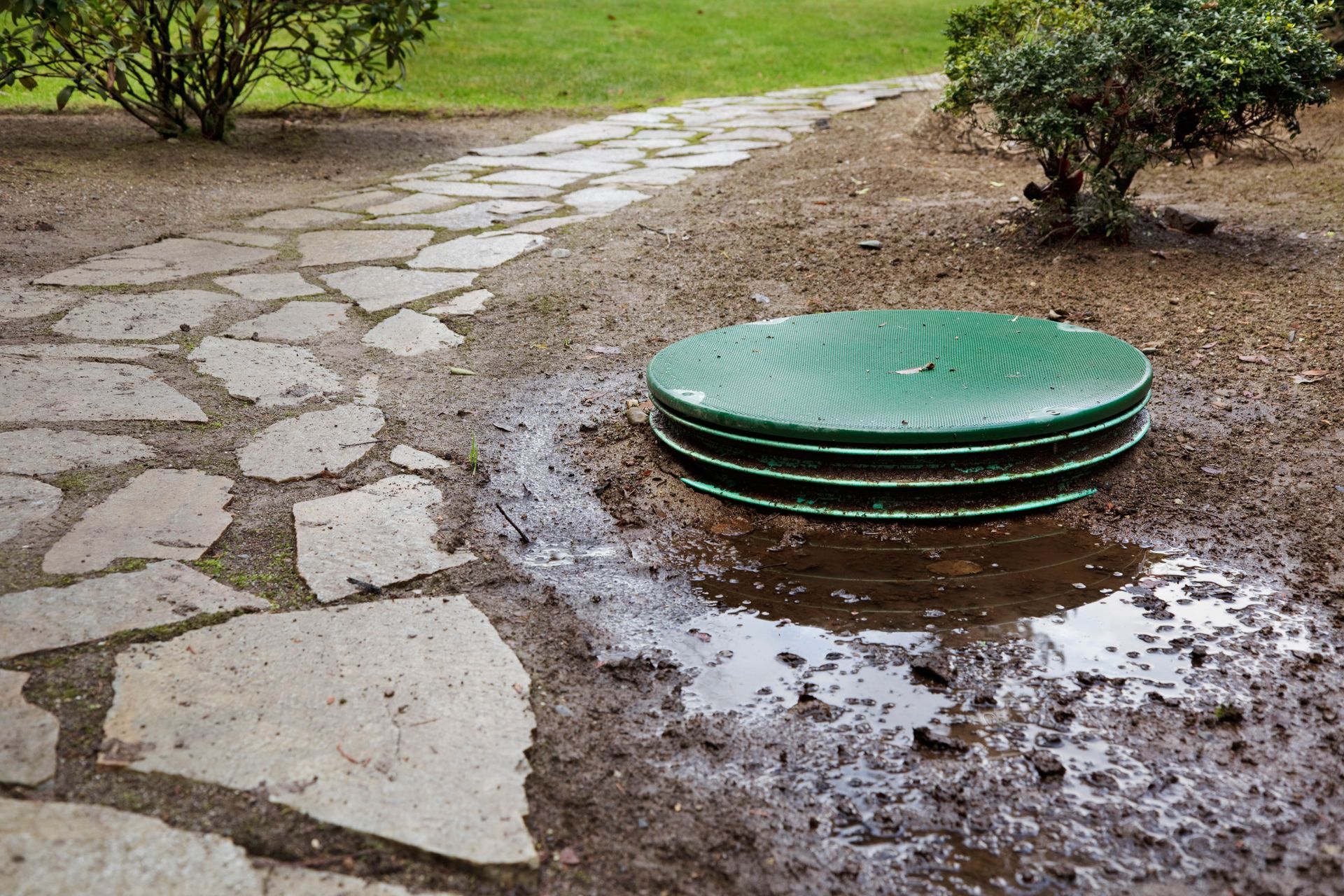
Outside the home, changes can be even more noticeable. Patches of unusually green grass, soggy soil, or standing water near the drainfield may signal that wastewater is not being properly absorbed. These conditions should never be ignored, as they often point to deeper system issues.
When these signs appear, immediate action is important. Waiting too long can allow the problem to spread, leading to system backup or drainfield damage. What starts as a minor inconvenience can quickly escalate into a major repair situation.
The key is paying attention to changes, even small ones. Homeowners who act quickly when something feels off are far more likely to avoid costly damage and restore system function before it reaches a critical stage.
Protecting Health, Safety, and the Environment Through Proper Care
A septic system does more than manage household wastewater. It also plays a major role in protecting the surrounding environment. When working properly, it safely filters wastewater through soil layers that remove harmful bacteria and nutrients before they reach groundwater.
When systems fail, that protection breaks down. Untreated wastewater can seep into soil and water sources, creating risks for contamination. This can affect nearby wells, streams, and even local ecosystems. It is not just a property issue, it becomes a community concern.
Health risks are also a serious consideration. Exposure to untreated wastewater can introduce harmful pathogens into living spaces or outdoor areas. This is why proper system care is closely tied to public health and safety standards.
Regular maintenance helps prevent these risks by keeping the system functioning as intended. It ensures wastewater is processed correctly and reduces the chances of environmental contamination. In many ways, a well-maintained system protects more than just the home, it helps protect everything around it as well.
Choosing Professional Support and Embracing Modern Solutions
Not all septic systems are the same, and neither are the services required to maintain them. Working with experienced professionals helps ensure the system receives proper care based on its design, age, soil conditions, and household usage patterns. This level of expertise is important for preventing long-term issues that may not be obvious during everyday use. A trained technician can quickly recognize early warning signs that a homeowner might miss, such as subtle changes in tank levels or drainage performance.
Professional support typically includes inspections, pumping, repairs, and system evaluations. Each of these services plays a role in keeping the system balanced and functioning efficiently. When combined with responsible household habits, they create a strong foundation for long-term reliability. In many cases, professionals can also recommend adjustments to water usage or suggest minor upgrades that improve system performance without major expense. They can also help homeowners understand when maintenance should be scheduled based on real system conditions rather than guesswork.
Homeowners who stay proactive tend to experience fewer emergencies and lower repair costs over time. Consistent care, supported by professional insight, is the most effective way to keep a septic system operating smoothly for years. Over time, this approach also helps extend the system’s lifespan, reduce environmental risks, and provide greater confidence that everything is functioning as intended even during heavy household use or seasonal changes.
Regular maintenance is not just about preventing problems, it is about protecting your home, your investment, and your peace of mind. For dependable support and expert care, contact Benke Septic Systems, Inc.